How multi family and townhouse framing actually proceeds on a BC site, from layout to lock up, and where schedule risk tends to show up along the way.
Framing is where a multi family or townhouse project starts to look like a building. It is also where the schedule is won or lost, because every trade that follows depends on framing being accurate, on time, and ready for inspection. This article walks through how the work typically proceeds and where the common pressure points sit, so owners and developers know what to expect.
Key takeaways
- Multi family framing follows a clear sequence, and each floor or building has to be ready before the next trade can start.
- Accuracy at layout sets up everything downstream, so early coordination with the engineer and other trades is time well spent.
- Most schedule risk comes from drawing changes, material timing, weather, and inspection windows, not from the framing crew working slowly.
- A framing partner who communicates progress and risk clearly is worth as much as raw production speed.
How the work typically proceeds
While every project differs, multi family and townhouse framing usually moves through a recognizable sequence once foundations and the ground floor deck are ready.
Layout and the first walls
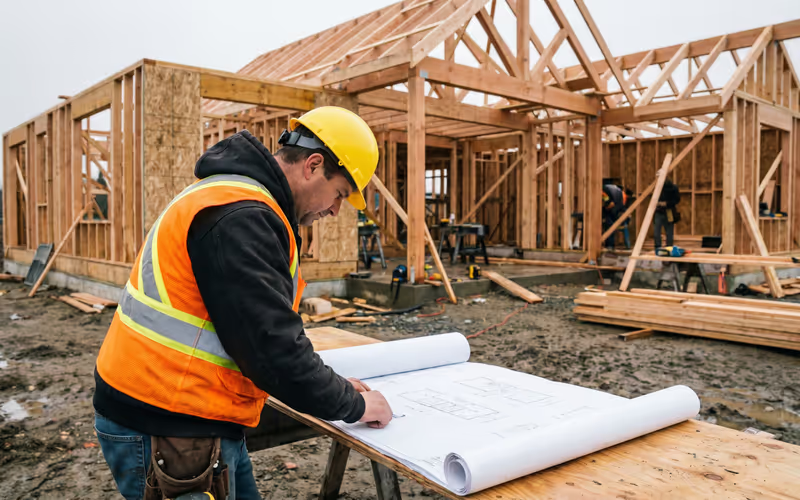
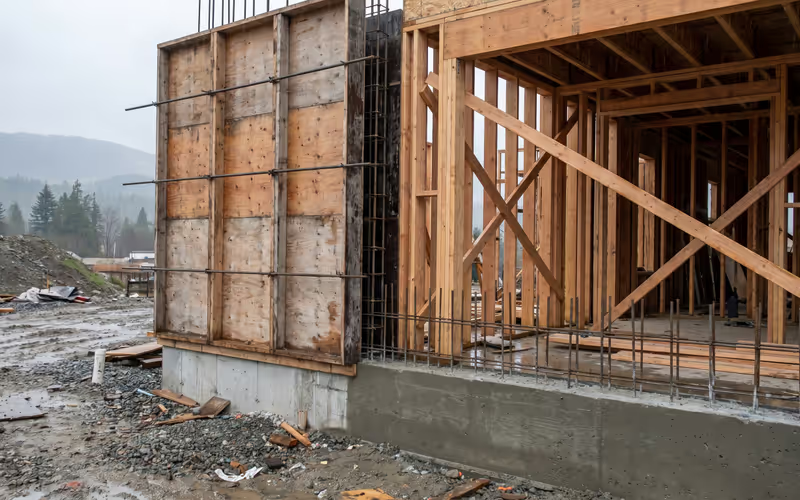
Crews start by laying out wall lines from the drawings, confirming dimensions, and standing the first floor walls. This stage looks simple but carries a lot of weight, because errors here ripple through every floor above. Coordination with shear wall and hold down details from the engineer happens early and often.
Floor by floor framing
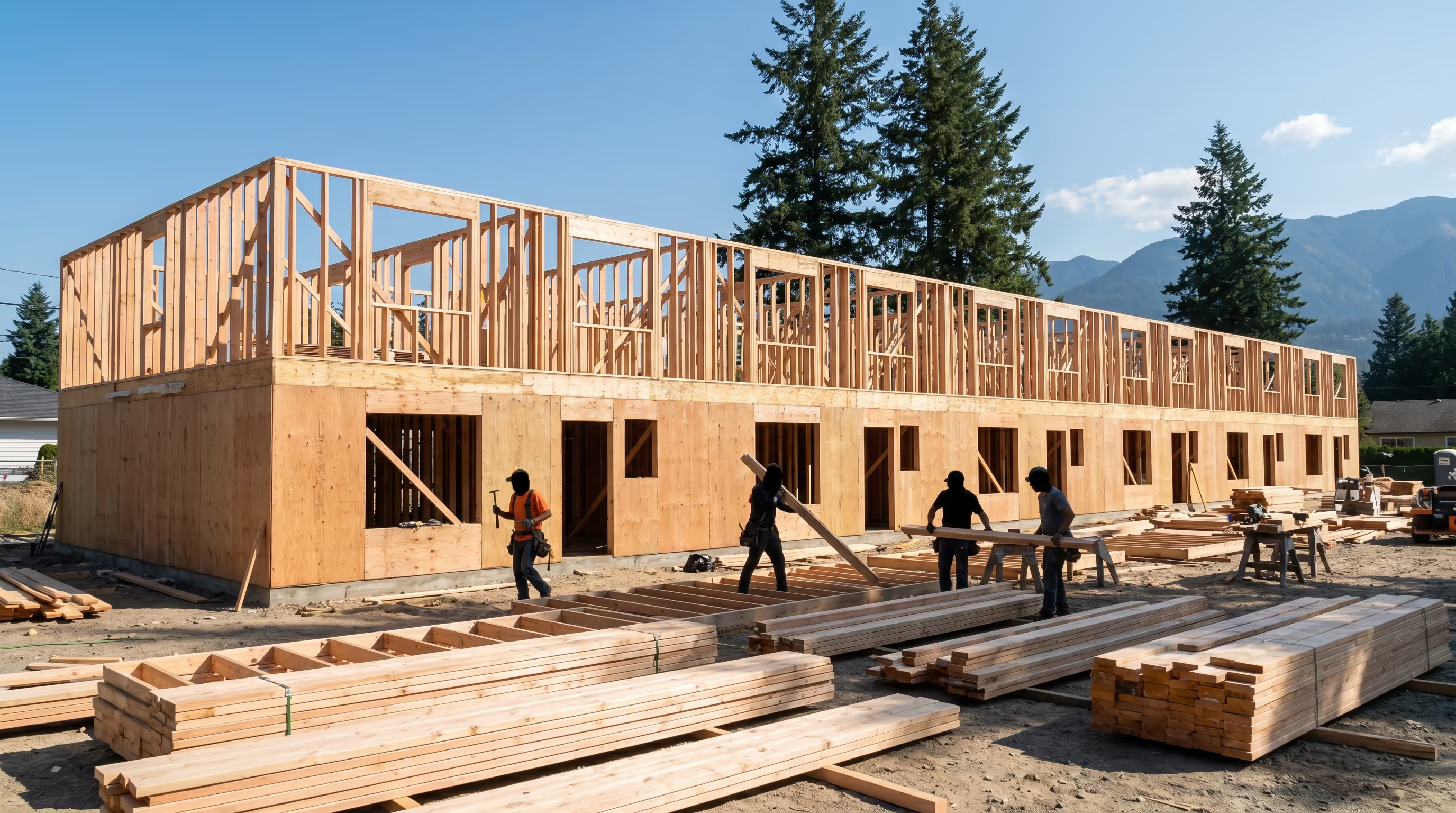
Walls go up, the next floor system is framed and sheathed, and the process repeats. On a townhouse row or a low rise building, crews work in a planned order so that material handling, crane or lift time, and inspections line up. Keeping a steady rhythm across units is what keeps the whole job on schedule.
Roof, sheathing, and getting to lock up
Once the top floor is framed, the roof structure and sheathing follow. Exterior sheathing and the building wrap move the project toward lock up, the point where the structure is closed in enough for interior trades to work protected from weather.
Hand off to other trades
Framing does not end in isolation. Crews coordinate openings, backing, and details for mechanical, electrical, plumbing, and exterior trades. Good backing and accurate openings at this stage save rework later, which is one of the quieter ways a framing team protects the overall budget.
Where the schedule is really decided
When a framing schedule slips, the cause is often outside the crew’s hands. The usual culprits are worth planning for:
- Drawing revisions that arrive mid framing and force rework or resequencing.
- Material deliveries that do not match the build order.
- Weather windows, which matter most around deck and roof stages.
- Inspection timing, since the next stage often cannot proceed until a sign off is complete.
A framing partner who flags these risks early, rather than after they bite, is what keeps a project predictable. That communication is part of solid project management, and it is why framing and management need to stay in close contact throughout.
What good multi family framing looks like
Beyond raw speed, a few signs point to a framing team that will serve a project well:
- Recent multi family or townhouse work they can speak to and, ideally, show.
- A clear approach to engineer details, RFIs, and drawing changes.
- A named on site lead each day and a steady, identifiable crew.
- Organized material staging and a safe, tidy site.
These are the same traits that separate a smooth build from one that fights itself, and they show up well before the first wall goes up. If you are weighing options, our guide to choosing a framing contractor in Surrey covers the questions worth asking.
Frequently asked questions
How long does framing take on a townhouse or multi family project?
It depends on the number of units, the number of floors, crew size, and how cleanly material and inspections line up. Rather than a fixed duration, ask a prospective framer to walk you through their planned sequence and the assumptions behind it.
What most often delays multi family framing?
Drawing revisions, material timing, weather at deck and roof stages, and inspection windows are the common causes. The framing crew’s pace is rarely the main factor on a well staffed job.
Why does layout accuracy matter so much?
The first walls set the reference for everything above. Small errors early can compound across floors and create costly rework, so careful layout and engineer coordination at the start protect the whole schedule.
How does framing affect the trades that follow?
Framing provides the openings, backing, and structure that mechanical, electrical, plumbing, and exterior trades rely on. Accurate framing reduces rework for everyone downstream.
Working with our team
Jas Construction Ltd. has framed residential, townhouse, and multi family projects across the Lower Mainland since 1999, with in house carpentry and framing capacity and supervisors who coordinate closely with engineers and other trades. If you are planning a multi unit build, we are glad to talk through sequence, schedule, and how we would approach your drawings.
Jas Construction Ltd.
A Surrey, BC construction & excavation group serving the Lower Mainland since 1999.
Let's talk about your next BC build.
Tell us about your scope, timeline and location. We'll send back honest feedback and a quote.