Forming and framing are different trades that depend on each other. Here is how the two stages connect, and why coordinating them protects your schedule.
Forming and framing are two of the most important structural stages on a build, and owners sometimes assume they are the same thing. They are not. They use different materials, different crews, and different skills. What they share is a tight dependency, because the quality and accuracy of one directly affects the other. Understanding how they connect helps explain why coordination between them matters so much.
Key takeaways
- Forming creates the molds for concrete elements like foundations and walls. Framing builds the wood structure that often sits on top.
- Accuracy in forming sets the reference for everything framed above it, so errors early carry forward.
- The hand off between forming and framing is a common schedule pressure point and benefits from a single coordinated plan.
- A team that handles both stages, or coordinates them closely, reduces the gaps where time and quality are usually lost.
What forming actually is
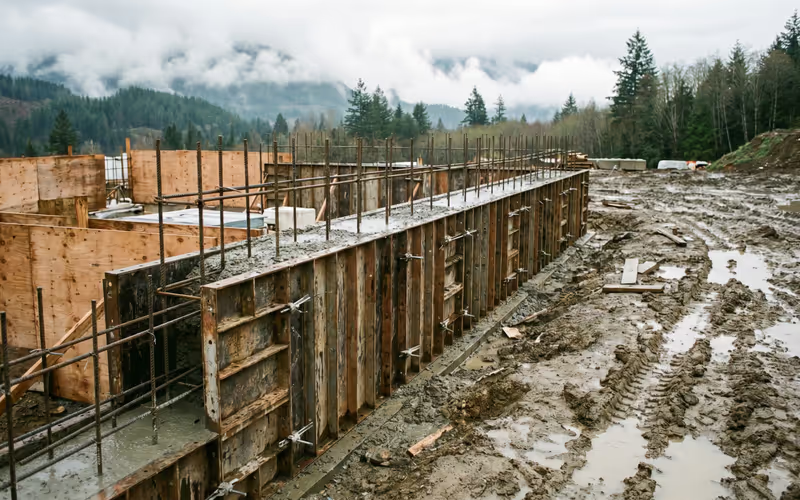
Concrete forming is the work of building the molds, or formwork, that shape concrete while it cures. That includes foundations, footings, walls, and other structural concrete elements. Good formwork has to be accurate, properly braced, and built to hold concrete safely as it is placed. Once the concrete has cured, the forms are stripped and the structure underneath becomes the base for what follows.
Because forming sets the dimensions and elevations the rest of the building references, precision at this stage pays off through the entire project. Our overview of forming services covers where this work fits in a build.
What framing adds
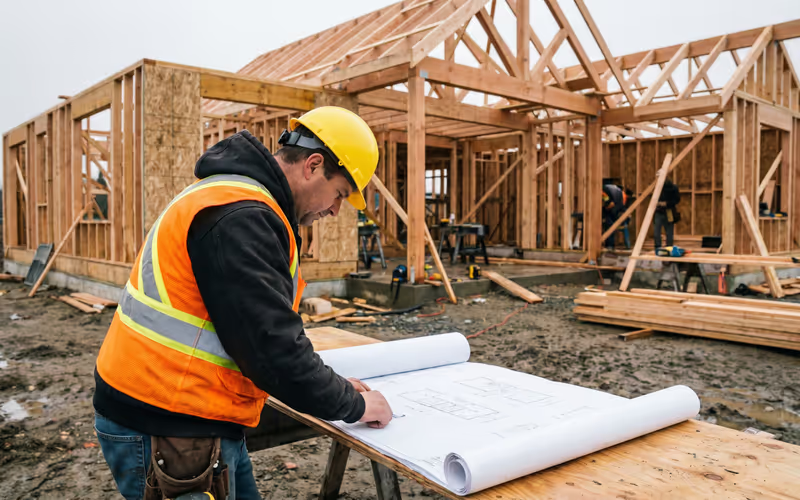
Framing is the wood structure that, on many residential and multi family projects, rises from the concrete base. Crews lay out wall lines, stand walls, frame floor systems, and build toward roof and lock up. Framing relies on the forming work below being accurate, because walls and floors inherit the reference points that formwork established.
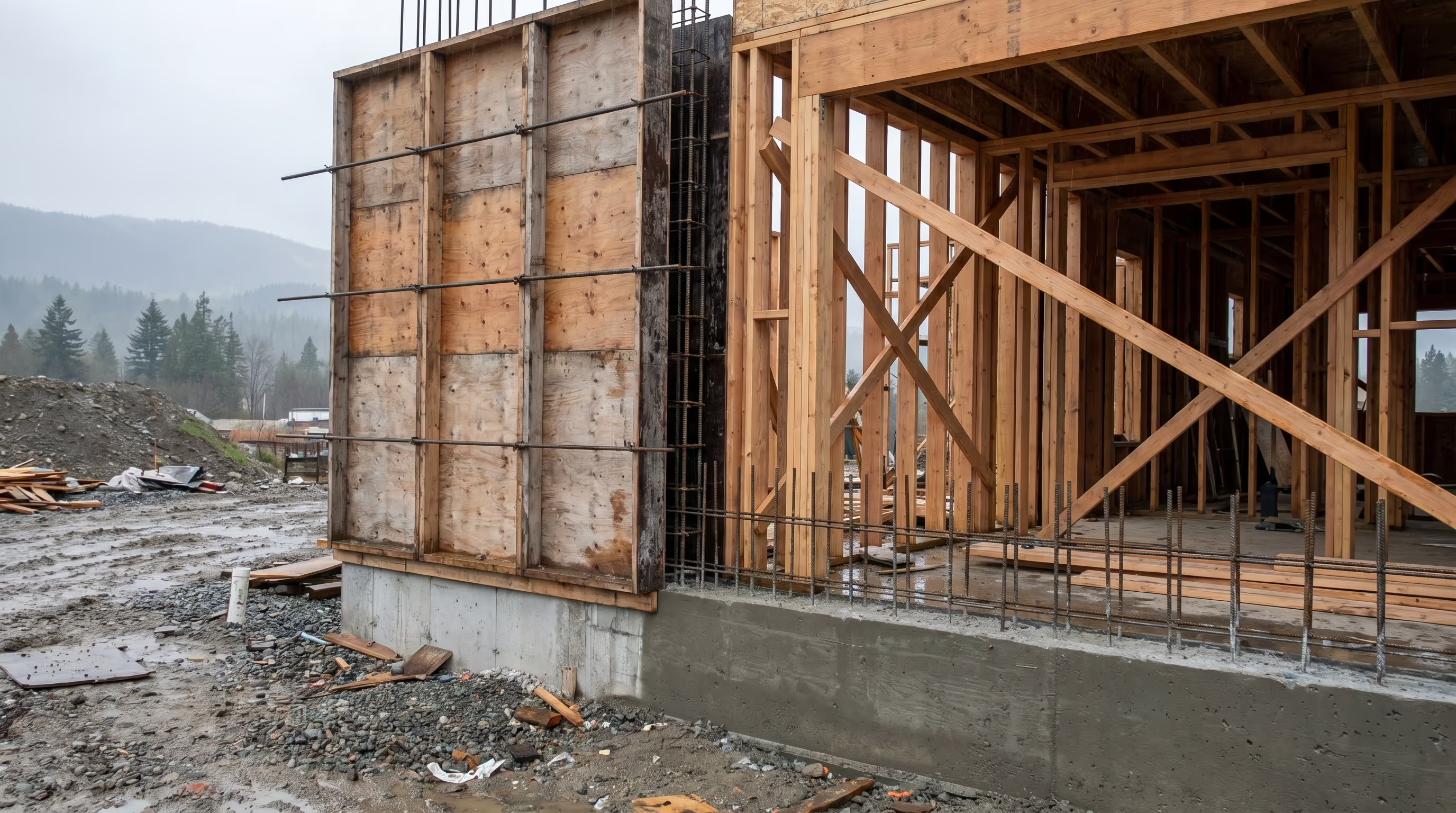
If the concrete base is out of level or out of square, framing crews have to compensate, which costs time and can create quality issues. When the base is accurate, framing proceeds cleanly. This is the heart of why the two trades are so connected. You can read more about how framing itself proceeds in our look at the framing process for multi family work.
Where the two stages meet
The transition from forming to framing is one of the predictable pressure points on a schedule. A few things make that hand off smoother:
- A shared layout reference so framing inherits accurate lines from the concrete work.
- Clear sequencing so framing can begin promptly once forms are stripped and the structure is ready.
- Coordination of embeds, anchors, and hold downs that the engineer requires between the two stages.
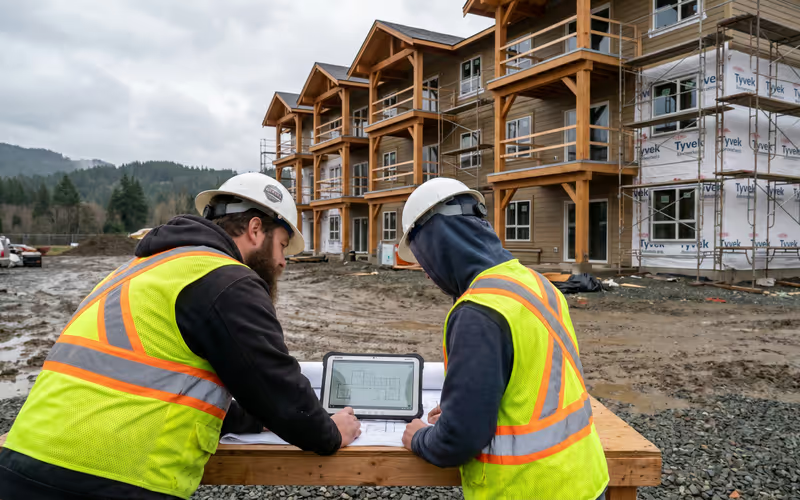
- A single plan that treats forming and framing as connected stages rather than separate jobs handed off cold.
When forming and framing are coordinated under one plan, the gaps where time and quality usually leak out get much smaller. When they are run in isolation, the seam between them is exactly where delays and rework tend to appear.
Why coordination protects the budget
Every day a project waits between trades is a day of carried cost. A clean hand off from forming to framing keeps crews productive and avoids the rework that comes from compensating for inaccurate work below. That coordination is part of good project management, and it is one of the clearest examples of how connected scope protects both schedule and budget.
Frequently asked questions
What is the difference between forming and framing?
Forming builds the molds that shape concrete elements such as foundations and walls. Framing builds the wood structure that often sits on top of that concrete. They are different trades with different materials and skills, but they depend on each other.
Why does forming accuracy matter for framing?
Framing inherits the dimensions and elevations established by the concrete work. If the base is out of level or square, framing crews have to compensate, which costs time and can affect quality. Accurate forming lets framing proceed cleanly.
Should the same team handle forming and framing?
It is not required, but having both stages coordinated under one plan reduces the gaps where delays and rework usually occur. A team that handles both, or coordinates them closely, tends to deliver a smoother transition.
Where do forming and framing usually cause schedule delays?
The hand off between them is the common pressure point. Delays happen when framing cannot start promptly after forms are stripped, or when the concrete base is inaccurate and forces rework.
Talking through your project
Jas Construction Ltd. has handled forming and framing scope across the Lower Mainland since 1999, with in house crews and supervisors who coordinate the two stages closely. If your project involves both, we are glad to walk through how we would sequence the work to keep the hand off clean.
Jas Construction Ltd.
A Surrey, BC construction & excavation group serving the Lower Mainland since 1999.
Let's talk about your next BC build.
Tell us about your scope, timeline and location. We'll send back honest feedback and a quote.